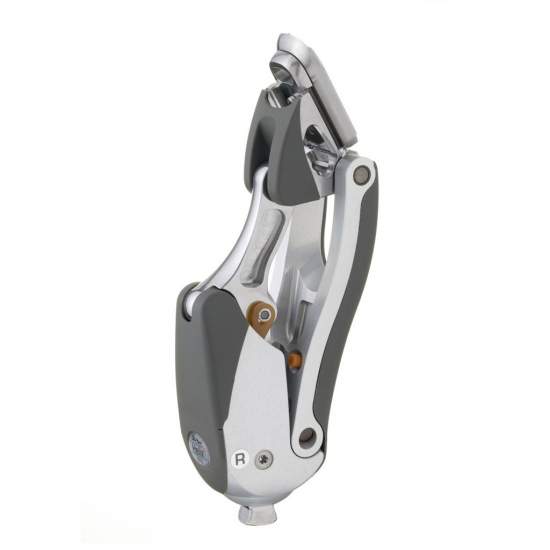
Lower extremity prostheses or lower limb prostheses. In human anatomy, the lower limb or pelvic limb refers to each of the two extremities attached to the trunk through the pelvis by means of the hip joint. Their function is to support the body’s weight in the bipedal position and enable movement through the contraction of their powerful muscles.
The lower limb consists of several areas; each lower limb is made up of several main segments:
Pelvic girdle or pelvis. This is a bony ring formed by the sacrum at the back and the right and left hip bones. They join at the front at the pubic symphysis, which closes the ring.
Thigh: its skeleton consists of a single bone: the femur. This is where transfemoral prostheses or above-knee prostheses are used.
Knee: this is the area connecting the thigh and the leg. There are different types of knee prostheses.
Leg: formed by the tibia and fibula. This is where leg prostheses, also called transtibial prostheses, are used.
Ankle: the region where the leg joins the foot.
Foot, which in turn consists of three segments: tarsus, metatarsus and phalanges. Foot prostheses.

Out of stock
Lower Limb Prostheses
Ottobock
C-Walk 1C40
Natural gait with the carbon fibre prosthetic foot
Out of stock
Lower Limb Prostheses
Ottobock
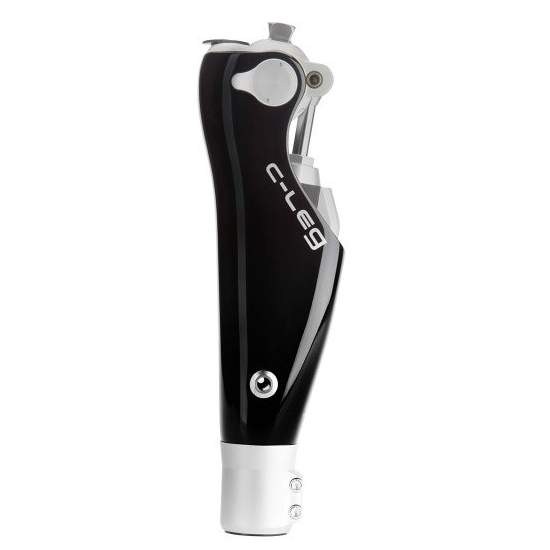
C-Leg
System of knee prosthesis microprocessor-driven

Out of stock
Lower Limb Prostheses
Ottobock
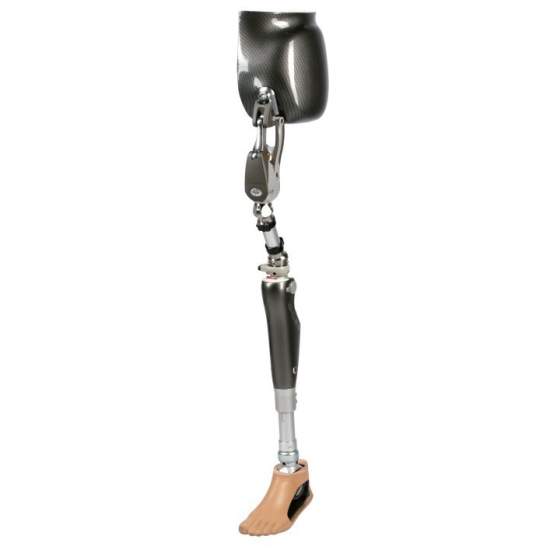
Helix 3D
The Helix hip prosthesis adapts so you can walk at different speeds