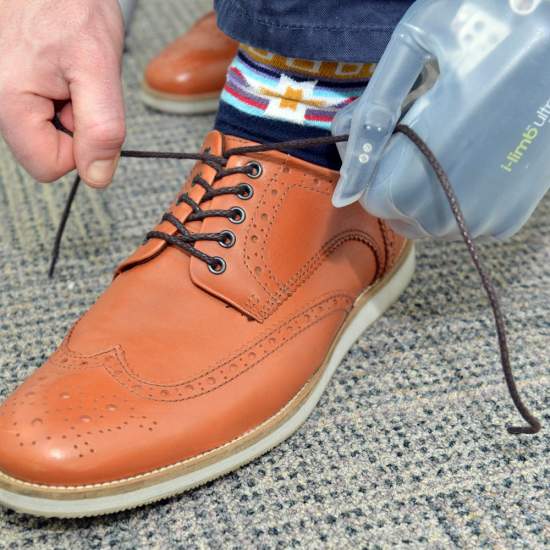
Upper limb or upper extremity prostheses. The upper limb or upper extremity, in the human body, is each of the limbs attached to the upper part of the trunk. It consists of four segments: the shoulder girdle, arm, forearm and hand, and is characterized by its mobility and ability to manipulate and grasp.
In formal terms, “arm” refers only to the second segment of the upper limb and should not be understood—at least in anatomical language—as referring to the entire limb.
Shoulder girdle
It is composed of the clavicle and scapula bones, two on each side, which attach the upper limbs to the upper part of the trunk—the thorax—at the level of the shoulders.
Arm
Its skeleton is made up of a single bone, the humerus, the longest and largest bone in the upper limb. The anterior aspect of the arm contains flexor muscles (biceps brachii, coracobrachialis and brachialis), which are innervated by the musculocutaneous nerve. The posterior aspect contains the extensor muscle (triceps brachii), which is innervated by the radial nerve. There are various models of arm prostheses for amputees.
Forearm
It is formed by the ulna and radius. Proximally, it articulates with the humerus and, distally, with the wrist. The anterior aspect contains the flexor muscles, while the posterior aspect contains the extensors. In total, the forearm region has 20 muscles, of which only 17 cross the elbow joint. Arm prostheses.
Hand
The hand is connected to the forearm by a joint called the wrist, whose bones form the carpus, and consists of a central palm, whose bones form the metacarpus, from which five fingers arise, also known as phalanges. In addition, the hand is made up of several different muscles and ligaments that allow a wide range of movements and dexterity. Hand prostheses.
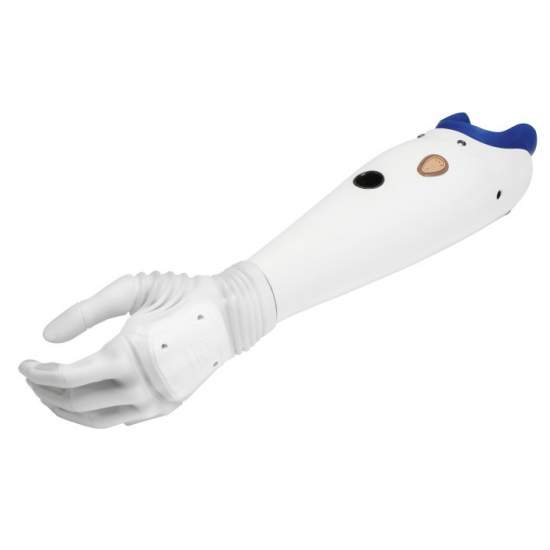
Out of stock
Upper limb prostheses
Ottobock
Michelangelo
The hand prosthesis Michelangelo helps you recover a great deal of freedom
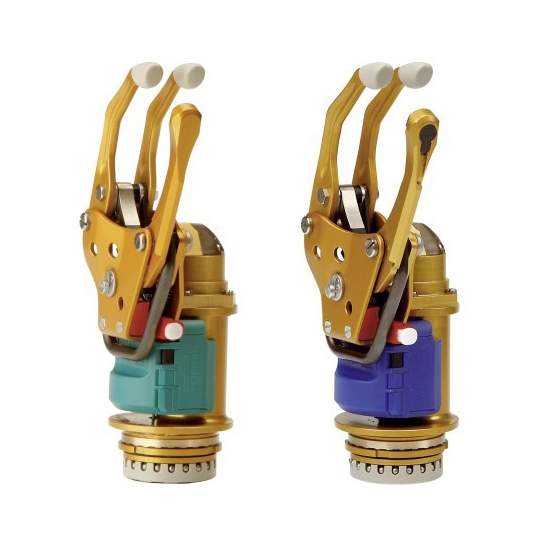
Out of stock
Upper limb prostheses
Ottobock
SensorHand Speed
Prosthesis for holding and gripping objects
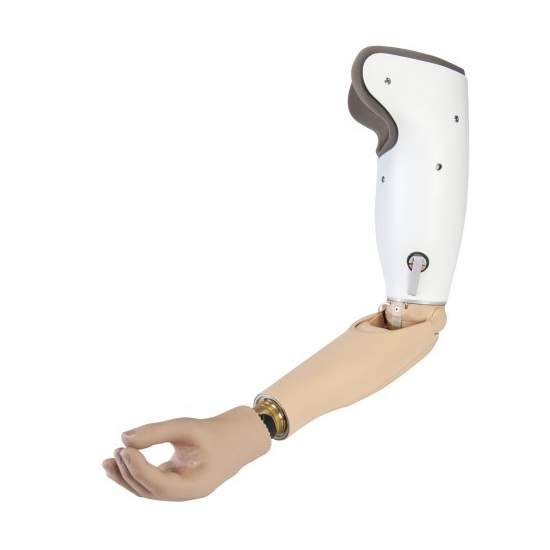
Out of stock
Upper limb prostheses
Ottobock
12K100
Transhumeral prosthesis DynamicArm. The powerful, dynamic elbow joint

Out of stock
Upper limb prostheses
EMO
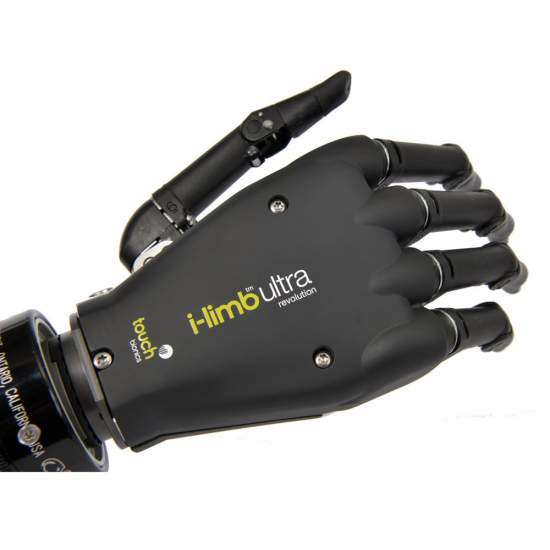
i-LIMB Ultra
The revolution in upper limb prosthesis