Your cart
There are no more items in your cart
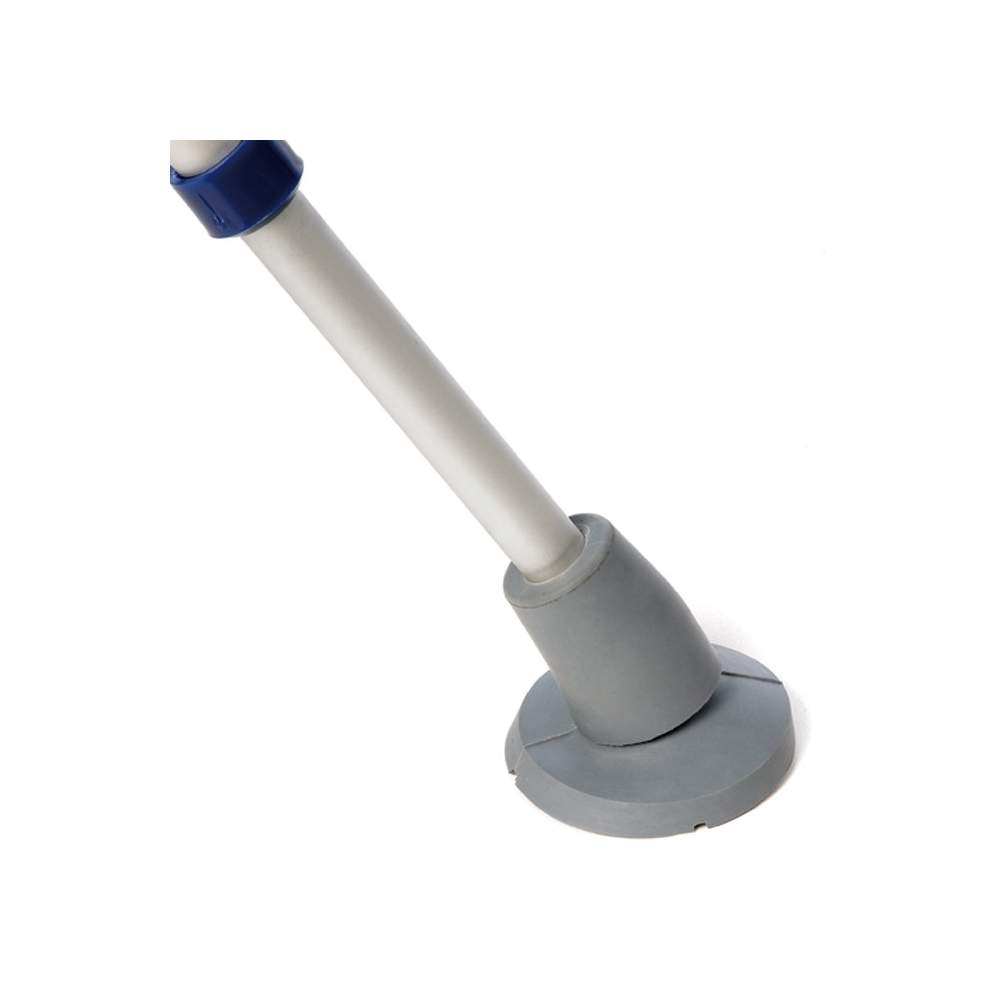
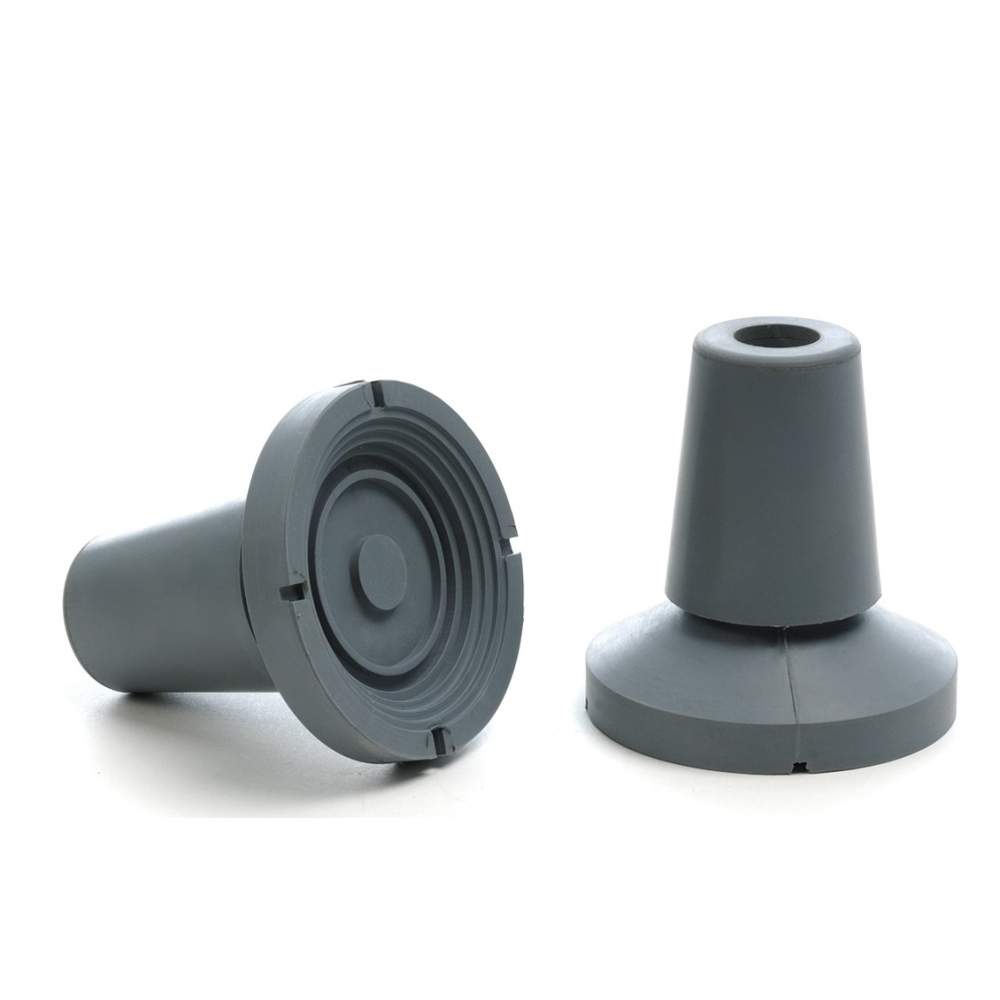
Maxi A119 19 mm ferrule

Bastones y muletas
€4.96
Tax included
*
Delivery: 1 to 2 weeks (Europe)
Ferrule A119: 70 mm base. Tell us the diameter of the tube and we will give you the right size.
The ferrule is the rubber on the tip, the cheapest part of the whole stick and the only one that touches the ground. Whether you slip or not depends, literally, on it.
It wears out without you noticing, because the wear is gradual. Changing it in time is the best safety investment there is in the whole shop.
70 mm base: it does not sink into soil or grass
70 mm
Base
When it has to be changed
When the tread pattern has gone smooth, when the edge is eaten away at an angle or when you feel it "skidding" on a wet floor. All three are signs of the same thing, and none of them warns you in advance.
The only thing you need to know to get the replacement right is the diameter of the tube of the stick, normally 17 or 19 mm.

Which one you need
Which one in the range
Look at the ferrule: it is the part that decides whether you slip
The rubber on the tip is the only thing that separates a walking stick from a plain stick. It wears out without you noticing, because the wear is gradual: one day it stops gripping on the wet floor of an entrance hall, and that is where the fright is.
Check it every few months and change it as soon as the tread is smooth or the edge is eaten away at an angle. It costs a few euros and it is the best safety investment in the whole of orthopaedics.
Changing it needs only one piece of information: the diameter of the tube, which is usually 17 or 19 mm.
Orthoprosthetic funding (Spain)
Code ask us · product included in the Spanish National Health System catalogue
Let us be clear, because a lot of websites get this wrong: we do not have this item's health service code recorded, and we are not going to make it up. What goes into the Spanish National Health System catalogue and under which code is decided by the rehabilitation doctor on the prescription.
And if you want to know what the benefit covers in general, we explain it here: How Spanish grants and funding work.
Full technical specification
Model: A119
Base diameter: 70 mm
Material: high-resistance rubber
Sold: individually
Frequently asked questions
How do I know which size I need?
By the diameter of the tube of your stick, which is almost always 17 or 19 mm.
How often does it have to be changed?
There is no set period: there are three signs. A smooth tread, an edge eaten away at an angle, or the feeling that it skids when wet. As soon as one appears, change it.
And the rubber on the tip?
It is the part that decides whether you slip, and it wears out without warning. If this is not your size, the other one we have is Flexyfoot, with a shock absorber and pivot. Tell us the diameter of the tube and we will send you the right one.
Is it covered by the Social Security benefit?
We do not have the code for this item on record and we do not invent it. Who is entitled and under what code is decided by the rehabilitation doctor on the prescription.
Ayudas Dinámicas, who is behind it
Who we work with to bring you this
Ayudas Dinámicas has spent 20 years developing and distributing assistive devices in Spain, with more than 8,000 m² of premises and more than 1,200 items in stock in continuous rotation.
For you that translates into two concrete things:
- There are spare parts and there is continuity. What wears out on a walking stick is the ferrule and the grip, not the tube: it is worth being able to replace them. And whoever sold it to you still has the part years later.
- They train their distributors. We went through that training, and that is why we can tell you no before selling you something that is no use to you.
Set up your order
Everything you choose here is added to the price above. Anything you leave alone comes as standard.
New product
No reviews
Product Options
Tap to zoom